Skip Santorini for Milos or Naxos, the Amalfi Coast for the Cilento Coast or Puglia, Barcelona for Galicia or San Sebastián, and Venice for Padua or Treviso. You get the same Mediterranean light, the same pastel towns and turquoise water, far lower prices, and a fraction of the crowds. With Venice now charging day-trippers to enter and locals across Spain and Italy openly protesting mass tourism, summer 2026 is the year to travel one town over from the postcard — and have a far better trip for it.
Something has shifted this year. The most-photographed corners of Europe have become the most exhausting to actually visit: queues for a sunset, beach clubs booked solid, coastal roads at a standstill. So travellers are voting with their flight searches. Interest in alternative European destinations has surged, prices in lesser-known regions are lower, and the experience is simply calmer. This guide maps the swaps that matter — which crowded hotspot to trade, where to go instead, and why each alternative gives you the thing you were really after. None of these places are secrets. They are just quieter, cheaper, and more livable than the names everyone already knows.
Why are travellers avoiding Europe’s big hotspots in 2026?
Because the crowds, the prices and the pushback have all peaked at once. Europe’s most famous destinations are actively managing visitors away, and travellers are responding by booking elsewhere — often the next region over.
The signals are hard to ignore. Venice now charges day-trippers an entry fee during peak periods, the first time a UNESCO World Heritage city has charged people simply to walk in. The European Parliament has approved a strategy to spread tourism more evenly, pointing out that the vast majority of travellers cram into a tiny share of the continent’s destinations. In Barcelona and parts of the Greek islands, residents have made their frustration with mass tourism very public. The result is a clear booking shift: flight interest in quieter Central and Eastern European cities has jumped by triple digits year on year, while growth into the traditional summer favourites has cooled.
There is a practical upside to all this for travellers. The alternatives are not consolation prizes. They are often more beautiful, almost always cheaper, and far easier to enjoy at a human pace. The rest of this guide is the specific swaps.
Where should you go instead of Santorini?
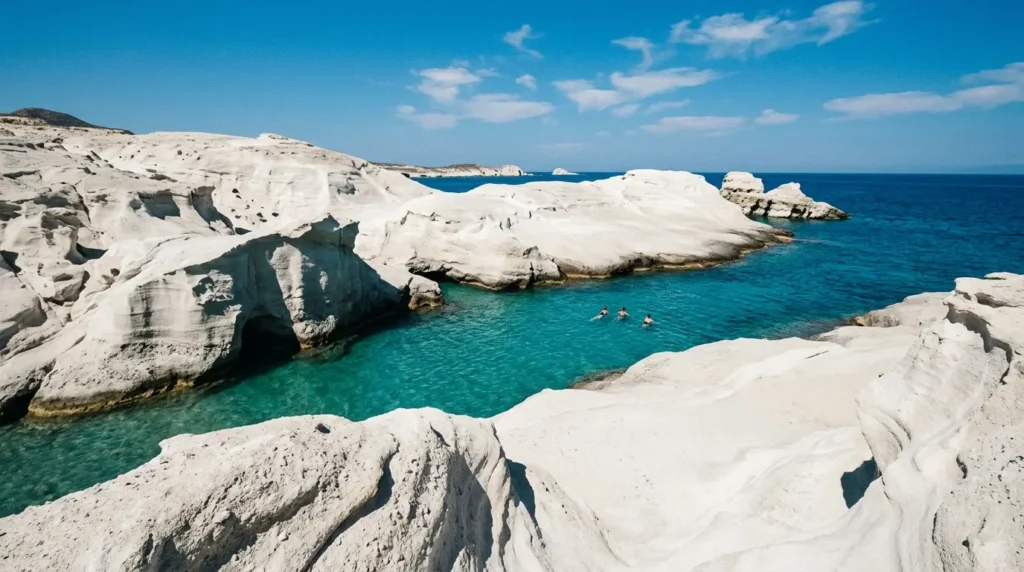
Go to Milos. It delivers Santorini’s volcanic drama — white rock formations, sea caves, clifftop villages — across dozens of beaches that never fill the way Santorini’s do. For a greener, more walkable island, choose Naxos; for a true escape, Folegandros.
Santorini’s problem is concentration. Cruise ships anchor in the caldera and tour groups fill the lanes of Oia by mid-morning, with most of the island’s visitors squeezed into a four-month window and a handful of viewpoints. The Cyclades, though, are full of islands offering the same Aegean magic without the crush.
Milos is the standout swap. Its coastline of pale cliffs and hidden coves rivals anything in Santorini, and Sarakiniko beach — a stretch of moon-white volcanic rock — is one of the most striking landscapes in Greece. Naxos is larger and far greener, which makes it ideal if you want to combine beaches with hiking and mountain villages. Paros gives you the classic whitewashed Cycladic look and good beaches, just a couple of hours from Santorini by ferry. And Tinos, only a short hop from Mykonos, stays genuinely peaceful, with mountain hamlets, excellent seafood and a relaxed pace that couples tend to love.
If your heart is set on Santorini, go in early May or from late September into October, when the cruise crowds thin and the light is at its best. When you start mapping islands and ferry routes, our Greece travel guide is a good place to build the trip around.
What’s the best alternative to the Amalfi Coast?
The Cilento Coast, just south of Amalfi, is the closest match — the same cliffs and clear water, far fewer tour groups, and noticeably lower prices. For something with more space and personality, choose Puglia’s Salento or Calabria’s Costa Viola.
The Amalfi Coast hits gridlock weeks before peak season even begins. Positano’s beach clubs fill early, the coastal road crawls, and you pay a premium for everything because the name is globally famous. The good news is that Italy’s coastline is enormous, and several stretches give you that cinematic Mediterranean feeling without the chaos.
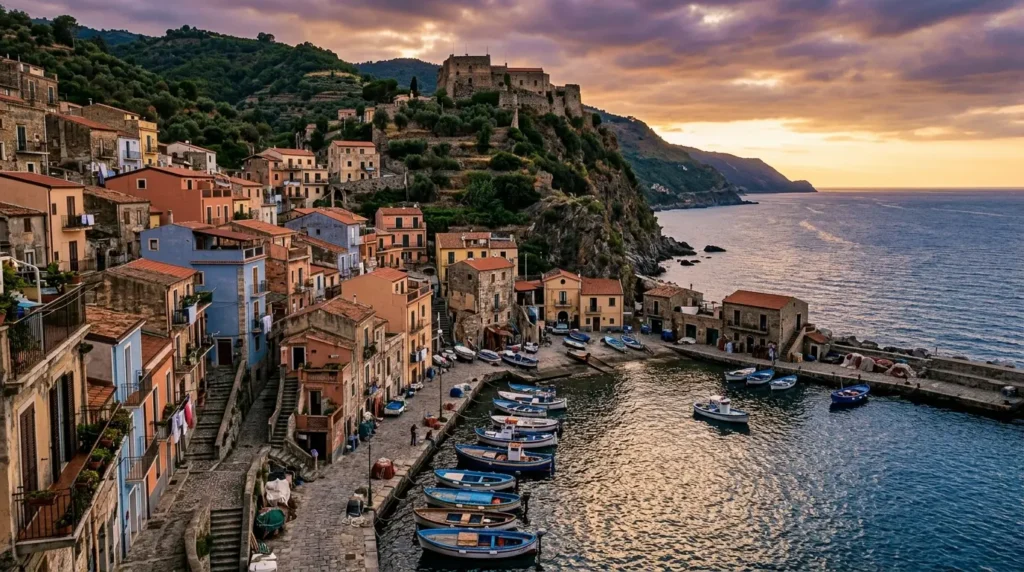
Cilento, in the same Campania region, is the obvious swap: dramatic coast, olive groves, UNESCO-listed sea caves around Marina di Camerota, and a slower rhythm shaped by Italian families rather than international coaches. Puglia’s Salento, down in the heel of Italy, trades cliffs for whitewashed towns, sea-carved grottoes and some of the country’s best food and wine. Calabria’s Costa Viola — centred on the pastel village of Scilla, with fishermen’s houses built right above the water — has the movie-set drama with prices that stay grounded. Each one suits couples who want romance without dress codes and crowds.
Building a southern Italy route takes a little planning around train and ferry connections, which is exactly where our Italy travel guide helps you join the dots.
Where should you go instead of Barcelona?
Head to Spain’s Atlantic north. San Sebastián gives you world-class food and beautiful beaches at a calmer pace, while Galicia offers a dramatic coastline and the pilgrim city of Santiago de Compostela with a fraction of Barcelona’s tourist density.
Barcelona has become the symbol of Europe’s overtourism tension — accessible, culturally rich, and under real strain from cruise passengers and short-term rentals. You can still enjoy Spain’s energy and coast without adding to the pressure, simply by shifting north.
San Sebastián, on the Basque coast, has the Bay of Biscay’s elegant beaches and a pintxos food scene that rivals anywhere in Europe. Galicia, in the far northwest, stays well beyond the crowds: a green, rugged Atlantic coastline, fresh seafood, and the cathedral city of Santiago de Compostela. If you want a livelier city with a beach attached, Valencia offers big-city culture, a famous old town and the City of Arts and Sciences, all far easier to navigate in summer than Barcelona. To shape a route across the country, start from our Spain travel guide.
Is there a quieter alternative to Venice?
Yes — Padua and Treviso, both a short train ride away. Padua is a historic university city with grand churches, a famous market and a fraction of the crowds, while Treviso has canals and arcaded streets that earn it the “little Venice” nickname.
Venice will always be on travellers’ lifetime lists, and it deserves to be. But a day-trip now comes with an entry fee and, in high summer, the feeling of being processed through a theme park. The cities of the Veneto give you the same Renaissance art, architecture and canalside atmosphere without the gridlock.
Padua sits about 15 to 20 minutes from Venice by train and holds its own in Italy’s artistic top tier — its museums, frescoes and churches are extraordinary, and prices are far gentler. Treviso, also close by, has its own waterways and porticoed lanes that feel like Venice scaled down to something you can actually wander. Use either as a calm base and dip into Venice early in the morning, before the day-trippers arrive.
What about Lisbon and the Algarve — are they overcrowded too?
The famous parts are, in peak summer. Central Lisbon and the busiest Algarve resort towns now draw heavy crowds — but Portugal’s quieter alternatives are some of its best. Swap the central Algarve for the Alentejo coast, and pair Lisbon with Porto and the Douro.
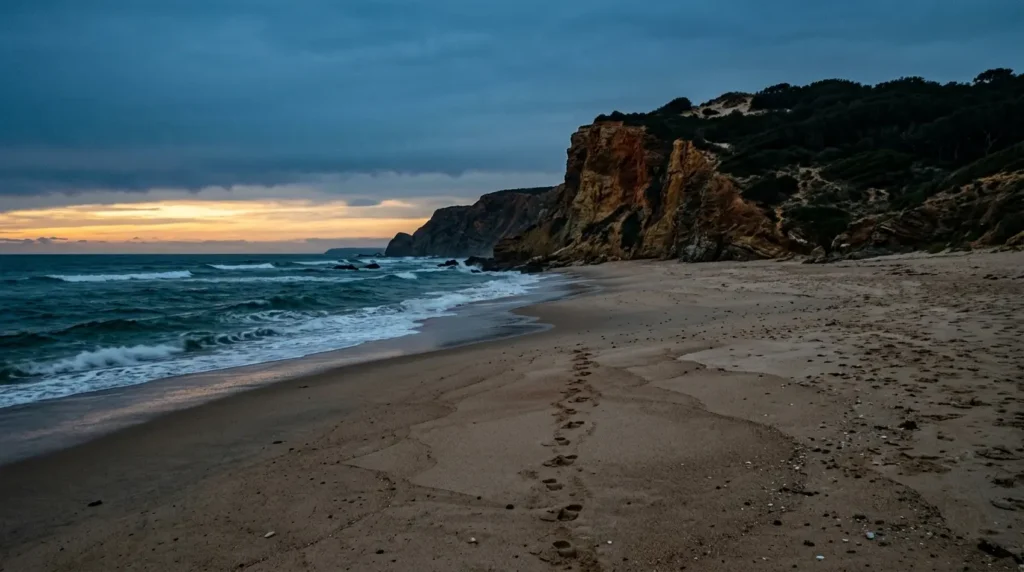
Portugal’s popularity has climbed fast, and the headline spots feel it. The trick is to stay one step to the side. Instead of the packed central Algarve beaches around Albufeira, head to the Alentejo coast — wild Atlantic beaches, cork forests and laid-back towns like Comporta and Vila Nova de Milfontes, with a fraction of the development. Instead of treating Lisbon as the whole trip, give time to Porto and the Douro Valley, where terraced vineyards run down to the river and the pace is altogether slower. The eastern Algarve, around Tavira, also keeps far more of its character than the resort strip to the west.
This is the country we know best, and our Portugal travel guide is built to help you balance the must-sees with the quiet corners that make the trip.
Which emerging countries are travellers booking instead?
Eastern and Central Europe are leading the shift. Flight interest in the Czech Republic, Poland, Bulgaria and Albania has surged, helped by lower airfares and improved connections — these are the regions absorbing travellers leaving the Western European hotspots.
Honesty matters here: a lot of this summer’s fastest-growing destinations are in Eastern Europe, where cities offer cobblestone old towns, serious food and wine, and prices that feel like a relief after the Mediterranean’s premium spots. Albania’s Ionian coast, around Ksamil and Sarandë, has become one of the continent’s fastest-growing beach regions for exactly this reason.
If you would rather stay closer to the Mediterranean you came for, two strong, culture-rich options sit slightly outside the European summer crush. Turkey pairs Istanbul’s history with the quieter stretches of the Turquoise Coast, while Morocco offers Marrakech, the Atlas Mountains and Atlantic surf towns at a value that Western Europe can’t match. Both reward travellers looking for depth over a checklist — see our Turkey travel guide and Morocco travel guide to start.
When is the best time to visit Europe to avoid crowds in 2026?
Travel in the shoulder seasons: roughly late April to early June, or September into October. The weather is still warm, the sea is swimmable in much of the Mediterranean, and the crowds and prices drop sharply once peak summer ends.
The single most effective way to dodge the crowds is to change when you go, not only where. A clifftop town that feels overrun in July can be a genuine pleasure in early May or late September — the same views, half the people, and far better hotel rates. If summer is your only option, build your days around the crowd patterns: see the headline sights early in the morning or in the evening, and spend the middle of the day somewhere quieter. Combine the right month with the right alternative destination and overtourism stops being your problem at all.
How do you plan a crowd-free European trip?
Decide what you actually want — beach, food, romance, history — then choose the quieter version of the place that delivers it, and build the days around shoulder-season timing and early starts. The hard part is matching the right alternative to your trip, which is exactly what a good planning tool should do for you.
This is where letting an AI itinerary planner do the legwork pays off. Tell it the occasion, who you’re travelling with, the vibe you want and how many days you have, and it can build a day-by-day plan around the calmer destinations rather than the obvious ones — real places, with photos and booking links, instead of the same five sights everyone queues for. You can plan your trip on PlacesToday and ask for the crowd-free version from the start.
Frequently asked questions
Q: Is Venice charging an entry fee in 2026? A: Yes. Venice charges day-trippers an entry fee during peak periods, around €5 per day, making it the first UNESCO World Heritage city to charge visitors simply to enter. Overnight guests staying in hotels are treated differently, but day-trippers should expect to pay and book access in advance on busy dates.
Q: What is the most underrated alternative to Santorini? A: Milos. It offers the same volcanic landscapes, white cliffs and sea caves as Santorini across far less crowded beaches, with Sarakiniko’s moon-like rock formations as the highlight. Naxos and Folegandros are excellent runners-up depending on whether you want greenery or true quiet.
Q: Which European countries are cheapest to visit in 2026? A: Eastern and Central Europe offer the best value, with the Czech Republic, Poland, Bulgaria and Albania standing out. Airfares into the region have fallen and day-to-day costs for food, accommodation and activities are well below Western Europe’s hotspots.
Q: Is it acceptable to visit overtourism hotspots in 2026? A: Yes, but timing and behaviour matter. Visiting in the shoulder season, staying overnight rather than day-tripping, supporting local independent businesses and exploring beyond the main sights all reduce your impact. Choosing a quieter alternative for part of your trip helps even more.
Q: What’s the best crowd-free destination for couples in Europe? A: For a romantic, low-key escape, Tinos in the Greek Cyclades and Italy’s Costa Viola are hard to beat — beautiful, relaxed and free of the crowds and dress codes of the famous resorts. Portugal’s Alentejo coast is a strong third option for couples who want wild beaches and quiet towns.
Q: When is the best month to avoid crowds in Europe? A: May and late September into October are the sweet spots. You get warm, settled weather and swimmable seas in most of the Mediterranean, without the peak-summer crowds and prices of July and August.
Final thought
The most beautiful version of your European summer is probably one region over from the place you first pictured. The crowds, the queues and the rising fees are pushing travellers towards quieter, cheaper, more memorable trips — and that’s no loss. Choose the alternative, time it well, and let the planning be done for you. Ready to build a crowd-free trip around your occasion? Start planning on PlacesToday →